Retrospective · Fight: July 6, 2024 · Published:
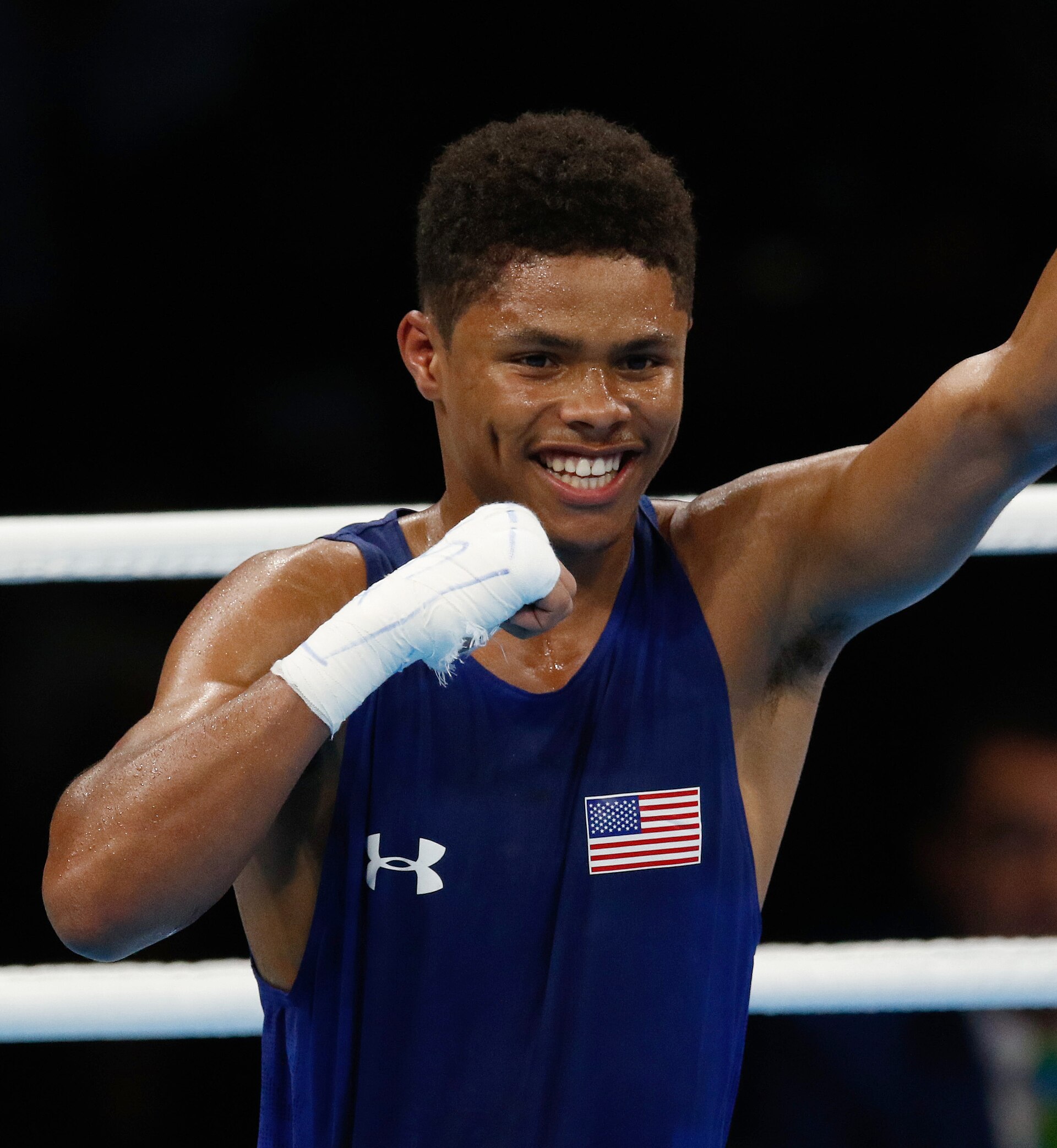
The hometown defense
Shakur Stevenson defeated Artem Harutyunyan by unanimous decision on July 6, 2024, at Prudential Center in Newark, New Jersey. The official scores were 119-109, 118-110 and 116-112. Stevenson retained the WBC lightweight championship in his first defense. Harutyunyan, an Armenian-born German Olympic medalist, was contesting his first world title after entering with one professional defeat. The difference between 119-109 and 116-112 shows that a clear fight can still contain debatable rounds. Stevenson retained without an official knockdown or crisis; the tension came from the distance between winning and satisfying. The hometown booing belongs to the atmosphere, but it should not become a scoring criterion or erase the punches Harutyunyan did land.
Why a wide win felt complicated
The result itself was not close, yet the event became part of a larger debate about entertainment, risk and expectations placed on highly skilled defensive boxers. Stevenson won rounds and protected his belt, but portions of the hometown crowd expressed frustration. Historically, the fight is useful because it separates championship effectiveness from promotional expectation: a clear sporting win can still leave a commercial question unsettled. This was Stevenson's first defense and the end of a promotional phase, so the commercial impression carried unusual weight. Harutyunyan entered his first world-title bout with one prior defeat and little reason to accept an open fight. The night protected Stevenson's belt, although it did not settle the debate over turning defensive superiority into public demand.
Defense is not absence
A cautious retrospective should avoid equating low risk with no craft. Stevenson’s positioning, distance and anticipation can remove an opponent’s preferred offense before it becomes visible. The fair counterpoint is that control should create scoring opportunities, not become an end by itself. Harutyunyan’s reluctance or inability to force sustained exchanges also belongs in the analysis; pace is built by two participants. The cards verify a wide victory, while the crowd reaction raises a different question about entertainment. On a rewatch, avoid assuming how control was created: count clean counters, entries ending in offense and periods without effective scoring. Then ask whether 119-109, 118-110 or 116-112 best fits those actions without using the booing as a criterion.
Score the choices
Watch three things independently: Stevenson’s clean counters, Harutyunyan’s successful entries and the amount of time neither produces effective offense. Do the widest official cards reflect repeated small advantages, or domination with damaging sequences? When the crowd grows restless, check whether your scoring changes even though the action does not. What would Stevenson need to add without sacrificing the defense that makes him difficult to hit?
Sources
Interested in training at TNT? Explore boxing classes in San José del Cabo.
Let’s talk on WhatsAppExplore the full journal