Retrospective · Fight: September 3, 2024 · Published:
Sixteen seconds into the seventh
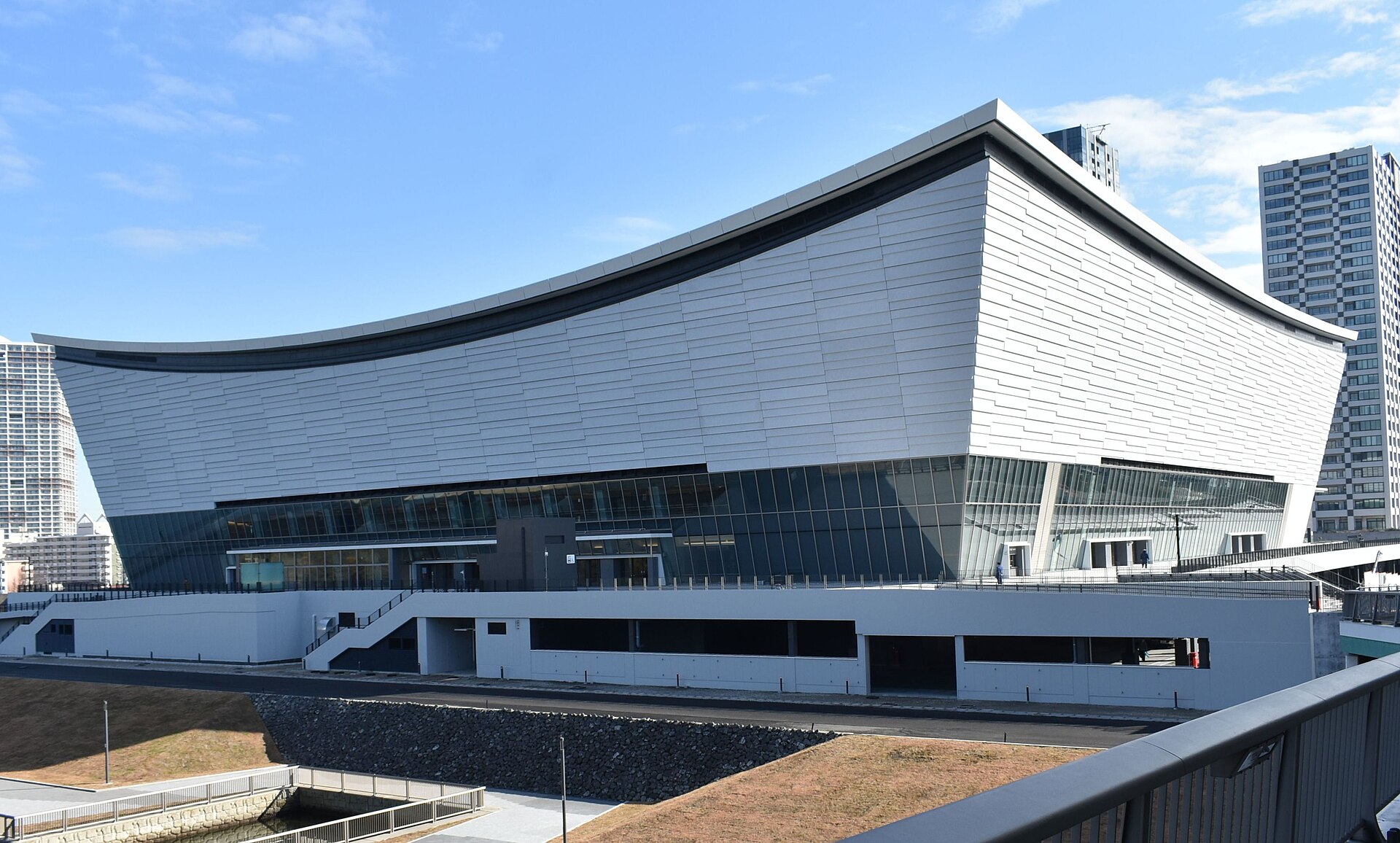
On September 3, 2024, Naoya Inoue retained the undisputed super-bantamweight championship against TJ Doheny at Ariake Arena in Tokyo. The official outcome was a seventh-round technical knockout, sixteen seconds into the round. The WBC report says Doheny could not continue with an apparent injury after Inoue had intensified his body attack and reduced the challenger’s mobility. The sixteen seconds of round seven do not tell the whole fight. The stoppage came when Doheny could not continue with an apparent injury after body pressure had reduced his mobility. The official result is a TKO, not a knockout by count, and that precision credits Inoue's work without asserting a medical diagnosis the sources do not establish.
Another kind of championship defense
Doheny arrived as an experienced former titleholder and a southpaw with recent wins in Japan, not merely a name filling a date. Inoue’s victory moved him to 28-0 with 25 knockouts and continued his consolidation of all four major belts at 122 pounds. Historically, the defense showed how an undisputed reign is maintained between the division’s most publicized matchups. Inoue kept all four belts at 122 pounds and moved to 28-0. Doheny brought former-champion experience and recent wins in Japan, so his role was not ceremonial. An undisputed reign is also measured by solving dangerous challengers between major unifications; this defense preserved that continuity even with a physically unusual finish.
What the record can and cannot say
The record supports a stoppage connected to Doheny’s inability to continue; it does not let a retrospective diagnose the precise injury. It is safest to describe the visible competitive sequence reported by the sanctioning body: body pressure increased, mobility declined and the bout ended. That distinction respects both Inoue’s accumulated work and Doheny’s physical condition without inventing certainty. The source records body pressure, reduced mobility and an inability to continue, but it does not diagnose which punch produced a precise injury. On a rewatch, ask when Doheny's mobility changes and which observable actions precede it. Avoid turning that sequence into a claim about posture, exits or intention that the report does not document.
Follow the setup
Across the six completed rounds, mark every exit Doheny retains after taking a body shot. Does he turn, retreat straight back or remain to exchange? Note when Inoue ends a combination rather than chasing. At the start of the seventh, compare Doheny's mobility with round one. The question is when the ring map stopped offering him a safe route. This wording also keeps the champion's accumulated attack visible even though no single finishing punch supplied the ending. Doheny's inability to continue was the official threshold; the preceding body work explains the competitive road toward it without supplying a medical diagnosis.
Sources
Interested in training at TNT? Explore boxing classes in San José del Cabo.
Let’s talk on WhatsAppExplore the full journal