Retrospective · Fight: December 7, 2024 · Published:
The official outcome
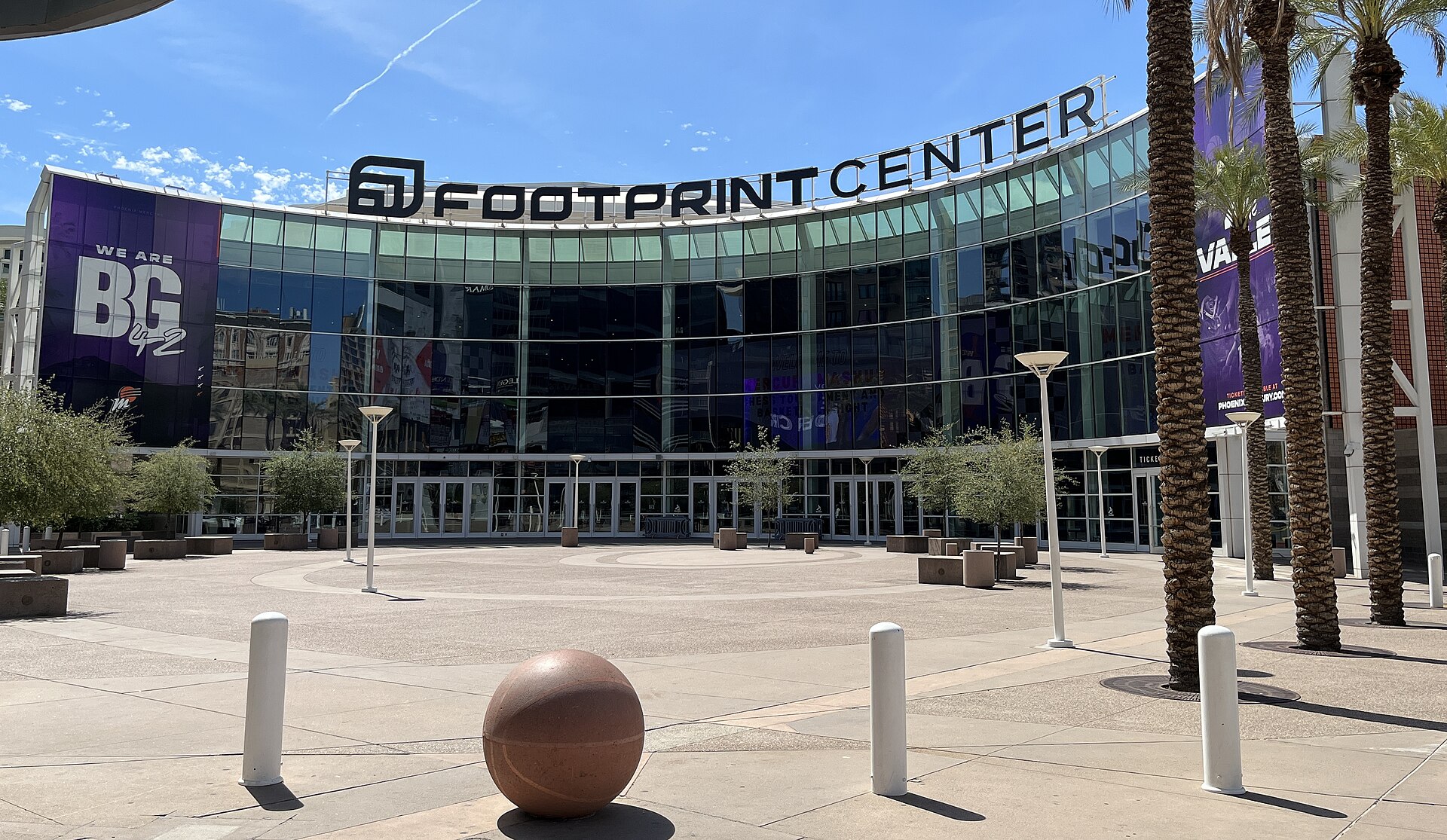
Rafael Espinoza retained the WBO featherweight title against Robeisy Ramirez on December 7, 2024, at Footprint Center in Phoenix. The official result was a technical knockout twelve seconds into round six after Ramirez did not continue. WBO records list Espinoza as the winner by sixth-round TKO. Ramirez later said his vision was impaired after what he believed was an elbow. The record says TKO twelve seconds into round six, but the brevity of that last round does not turn disputed contact into a settled fact. Ramirez said his vision was impaired and identified an alleged elbow. His explanation belongs to context; the official ruling belongs to the result. Keeping those categories separate avoids alleging intent or dismissing a reported orbital injury.
A rivalry denied a full conclusion
Their first fight delivered a majority-decision upset and exchanged knockdowns. The rematch promised to clarify whether Espinoza’s breakthrough could withstand immediate tactical revision from the former champion. Instead, the injury ending created a different historical marker: Espinoza retained, but the rivalry’s competitive questions were not answered across twelve rounds. Safety and official result must remain separate from audience satisfaction. Espinoza defended the WBO belt he had won in the 2023 upset. Ramirez sought to correct a majority-decision defeat where both men went down, but the medical ending prevented a complete comparison of adjustments. The victory sustains Espinoza's reign; it does not provide the competitive closure a twelve-round rematch promised.
How to discuss the disputed contact
A neutral account should not convert Ramirez’s allegation into an established foul or dismiss it because the record says TKO. The commission result stands; the fighter’s explanation and reported orbital fracture provide relevant context. Without definitive visual adjudication here, attribution matters. Espinoza deserves credit for the official defense, while Ramirez’s decision to stop with compromised vision should not be framed as a character failure. The five completed rounds are the available competitive evidence before the injury. Score them without presuming that height, volume, southpaw stance or distance produced a particular trend. Then separate that card from the disputed contact and Ramirez's explanation. The exercise keeps tactical questions as questions and does not invent the seven rounds that never happened.
Look before the interruption
Score the five completed rounds before locating the disputed contact. At that sequence, use several angles if available and separate intent, legality and effect; one image may suggest without proving all three. Then return to your card. Who owned the trend, and which adjustment did the other man need? That answer is more useful than inventing the seven missing rounds. That distinction also prevents an injury ending from becoming a shortcut for either man's character. Espinoza's defense remains official, Ramirez's stated concern remains relevant, and the unavailable rounds remain unavailable rather than material for an invented conclusion.
Sources
Interested in training at TNT? Explore boxing classes in San José del Cabo.
Let’s talk on WhatsAppExplore the full journal